
THE MAGIC OF MUSIC
11+
years of training in Hindustani Classical Music
I began singing Hindustani Classical Music at 5 years old and broadened my training to include harmonium by age 10. In high school, I participated in Choir and performed with classical musicians in the Bay Area. I’ve since performed solo and with groups in various genres. Video links provided below.

Maharastra Mandal Bay Area
I accompanied folk artist Dipti Kulkarni on the harmonium during a Manglagaur event hosted by Maharastra Mandal Bay Area. This performance was particularly challenging, as I do not speak the language that Dipti ji sings in. Instead, I played by ear, focusing on the nuances of the melody and rhythm without understanding the lyrics. This experience deepened my appreciation for the music and cultural tapestry of Maharashtra. It also highlights the collaborative spirit of artists celebrating and preserving their heritage.

Mahesh Kale School of Music
At the MKSM (Mahesh Kale School of Music) Sadhana Concert, I join singer Aditi for a deeply moving performance. Aditi beautifully interprets the serene Raag Kalavati, which means “adorned with the kalas [arts]” and honors Saraswati, the Hindu goddess of arts and knowledge. Raag Kalavati is celebrated for its peaceful and simple melody. Aditi performs a lakshangeet in madhylay addha, where the lyrics intricately illustrate the raag’s characteristics. She then presents a vibrant drut teentaal bandish.

Volar: A Fusion of Two Cultures
I first encountered the song “Volar” in my Spanish 3 class, where its captivating melody and profound meaning immediately struck a chord with me. For my final project, which required showcasing our artistic talents with a Spanish theme, I knew I had to incorporate “Volar.” I chose to combine my skills on the harmonium and my voice to create a unique cover with an Indian twist. After weeks of dedicated practice and adaptation, I am excited to present the final result. Volar is originally performed by artist Álvaro Soler.

Vinayak Vidya Mandir Solo
At the Vinayak Vidya Mandir concert, as the sun sets, I perform my first solo. I play 2 compositions in Raag Bhimpalasi, a calm afternoon melody from Thaat Kafi. First, I perform a piece I composed, which unfolds gently in a madhyalay teentaal, accompanied by the rhythmic tabla beats of Shri Ashish Tare ji. The serene music fills the evening, marking a special moment in my musical journey.

Vinayak Vidya Mandir Group
Collaboration was crucial in preparing for our harmonium group performance. From choosing the raag to learning the three compositions to communicating through eye contact and gestures on stage, our team work bonded us despite the signifcant age gap between each performer. In the end, our successful performance showcasesd the power of working together.

Cupertino High School Choir
The Cupertino High School Choir is one of our most captivating ensembles, performing a diverse range of music spanning from Classical Requiems to Broadway and beyond, including selections from various cultures around the world. In this show, we perform the most popular songs from the infamous Swedish pop group ABBA, including “Dancing Queen,” “Mamma Mia,” and more!

Chaitradhun Prize
It was a shining moment when I heard that one of the singers I accompanied had won a prize in the annual music competition. In this video accompany singer Radha Deshpande as she performs in Raag Bageshri, a beautiful and emotional night raag. Radha begins with “Laala Manave” in madhyalay Jhaptal, and ends with “Gunde Lao Ri Malaniya” in drut teentaal, with Tejas Nagarkar accompanying her on tabla.
MKSM Guru Purnima 2024
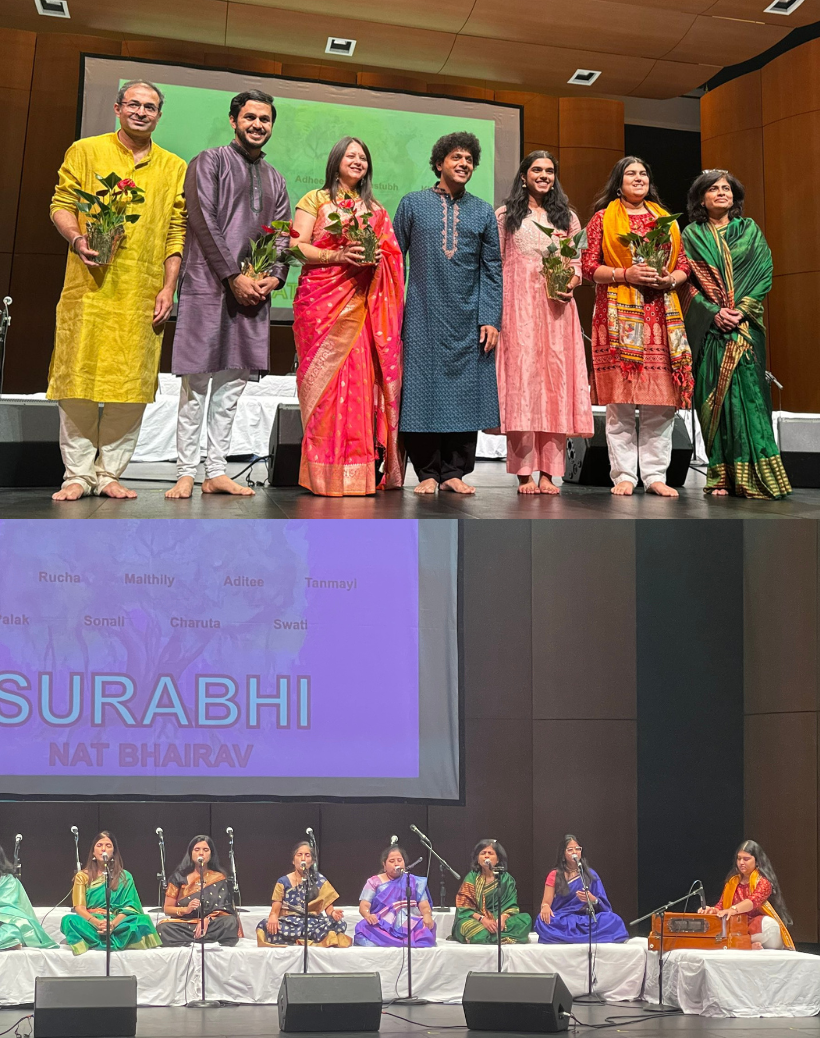
In October 2024, I had the privilege of accompanying several batches from the renowned vocalist and guru Shri Mahesh Kale ji’s music school, the Mahesh Kale School of Music (MKSM). I accompanied the Sur La Tabla, Surabhi, and Tol Bhairav batches, presenting a diverse selection of melodious raags and supporting each performer on stage. Shri Tanmay Bichu ji accompanied on the tabla.
Inauguration Performance
I was invited to accompany 3 performers for the inauguration performance of the Fremont Raaga School of Music. This was the first time that I played on stage without any live practice sessions. It was a great experience and a sweet, challenging moment for me to remember and learn from! In this video, I accompany Dr. Ameya Velingker Ji as he explores Raag Hamsadhwani.

Punjabi Tappe
In this video, I present my humble attempt at tappe, a type of Punjabi folk song. Tappe are often sung at Punjabi weddings and at ladies’ sangeet functions. Tappe’s history originates from the folk songs of camel riders. It depicts fun and witty interaction between two people, highlighting the rich culture of Punjab, and the never-dying spirit of Punjabi people along with our music, rituals, and customs.

Group – Raag Nat Bhairav
As the time for my harmonium class concert rolled around, I collaborated with my classmates and teacher to perform in our harmonium group performance. Once again, we left behind language barriers and age gaps to work together, choosing the raag and learning 3 new compositions. After countless hours of practice and communication through eye contact and gestures, this is the final product.
MKSM Guru Purnima 2025
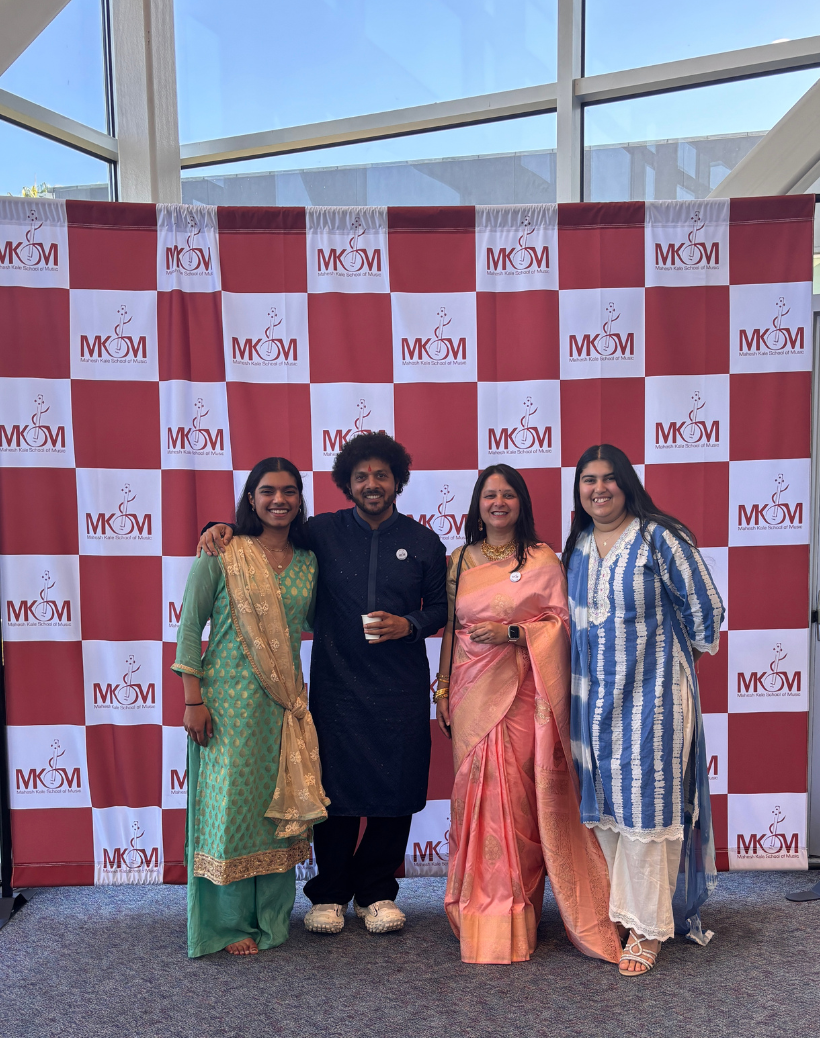
In October 2025, I had the privilege of accompanying several batches from the renowned vocalist and guru Shri Mahesh Kale ji’s music school, the Mahesh Kale School of Music (MKSM). I accompanied the Sargam Smilies, Omkara, and Harmony batches, exploring a range of melodious raags and supporting each performer on stage. Gandhar Tare accompanied on the tabla.
Interfaith Choir Vocalist
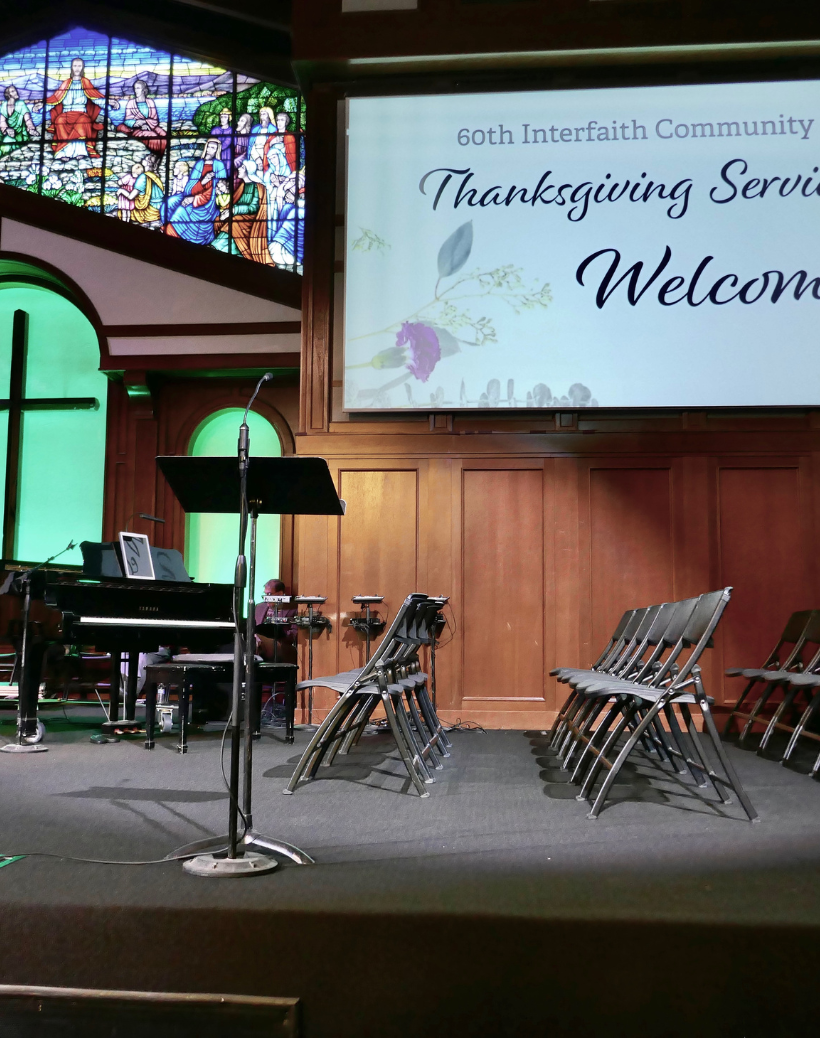
On November 27, 2025, I participated in the Interfaith Choir at the 60th Annual Thanksgiving Interfaith Celebration at the Saratoga Federated Church. We performed pieces such as “Joyful, Joyful” and “America the Beautiful” alongside community members of many backgrounds to honor gratitude, unity, and shared tradition. It was wonderful to see Saratoga politicians and community faith leaders come together in support of this.
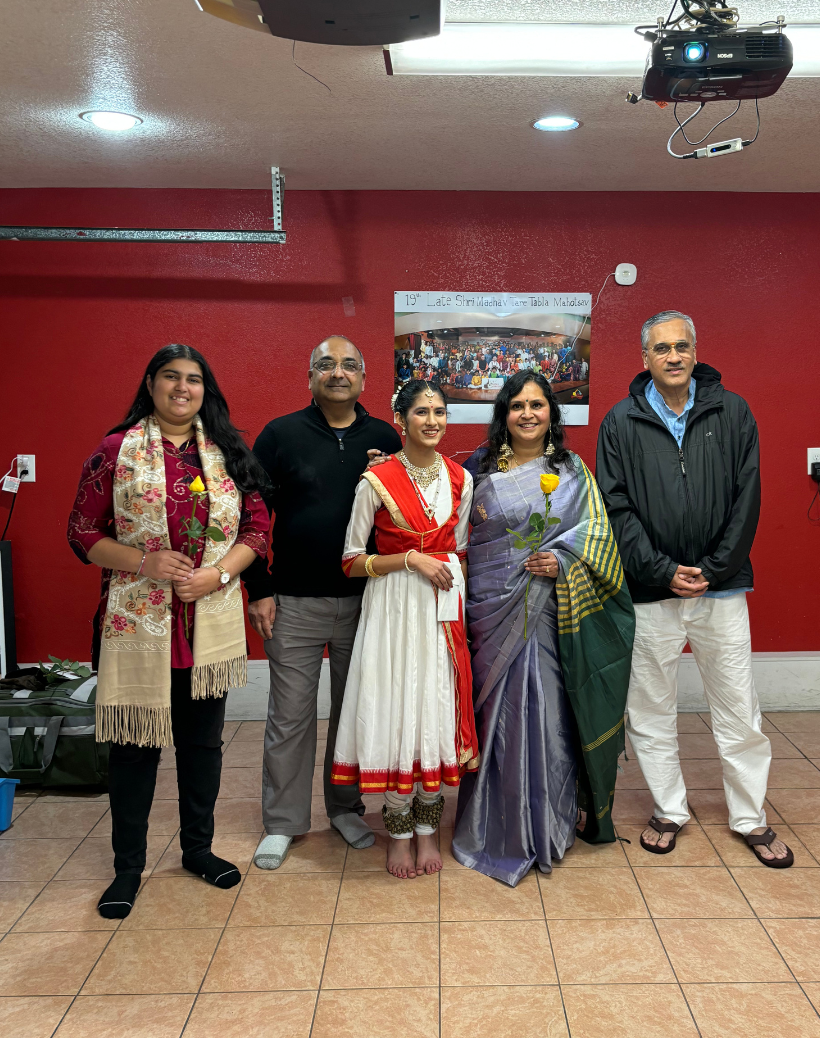
Kathak Accompaniment
Recently, I stepped into a new musical role as a harmonium accompanist for a Kathak exam, a first-time experience that challenged and expanded my musicianship. Preparing for the exam meant deep research, learning from peers, and adapting to a style where the harmonium sets the rhythmic cycle rather than follows it. It required precision, focus, and an understanding of taals, bols, and movement all at once.
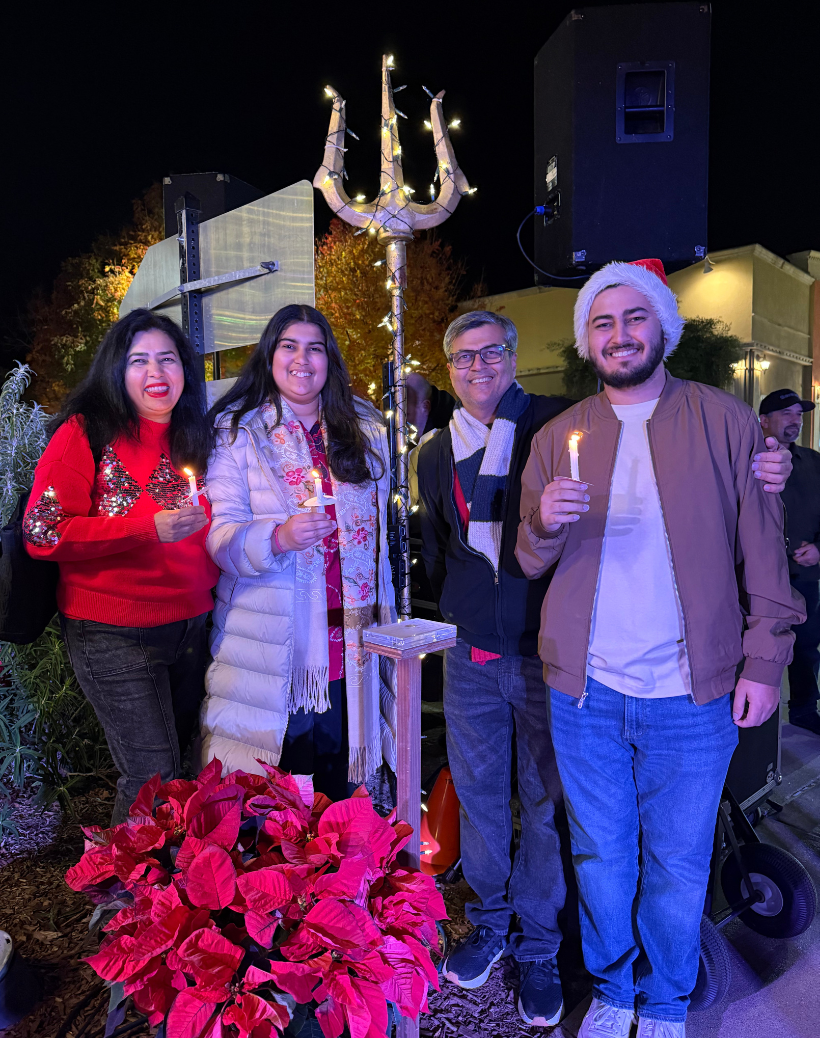
Holiday Interfaith Gathering
The City of Saratoga once again illuminated all House of Faith signs during a public Christmas gathering. At this event, I spoke to the community about the cultural significance of the Trishul as a symbol of peace and its connection to light. This interfaith practice, initiated by Rev. Erik Swanson, was opened with remarks by Mayor Chuck Page and attended by members of the community and the Saratoga City Council.
Harmonium Solo April 2026
In April 2026, I performed a solo at my harmonium class concert. I began by presenting my own original composition in Raag Sorath, a raag that holds special significance in the Sri Guru Granth Sahib Ji and conveys a powerful sense of certainty, faith, and uplifting energy. The second part of my presentation honored the legacy of legendary playback singer Asha Bhosle through the Punjabi song Das Mereya Dilbara Ve.
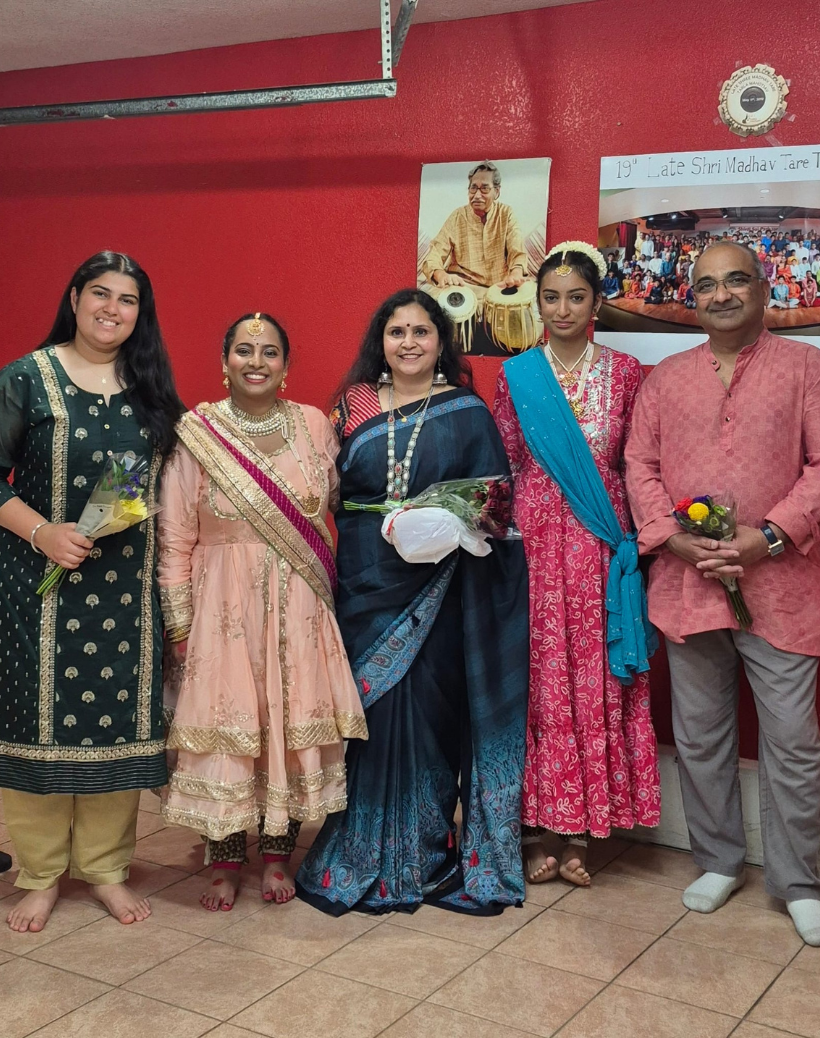
Kathak Exam Accompaniment
In May 2026, I accompanied two Kathak dancers on the harmonium for their Visharad Pratham (beginner) and Visharad Poorn (advanced) examinations. Throughout the five-hour examination, the examiner asked each dancer to perform a variety of pieces, and my role on the harmonium was to establish and maintain the rhythmic cycle at the selected tempo to support the dancers’ movements and timing. The experience demanded precision, concentration, and a deep awareness of taals, bols, and choreography all at once.

Coming Soon
I’m still working on building the piece of my resume! I’m excited to continue adding new experiences, projects, and accomplishments as they come. In the meantime, I hope you’ve enjoyed viewing my portfolio and learning more about the projects I’m currently working on and the topics I’m passionate about. I truly appreciate your time and thank you for visiting my website. I hope you will check back soon for any new updates as I continue to grow and expand my work in different areas. See you soon!